


Original price was: $44.99.$32.84Current price is: $32.84.
- Quality You Can Trust
- Shop with ease, buy with confidence.
- Safe Payments, Secure Personal Information
- 7 days free returns

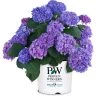
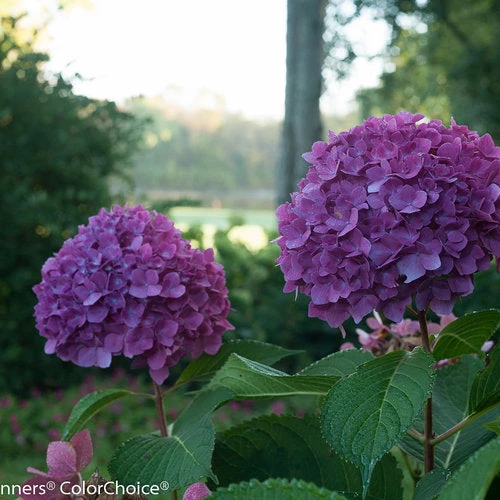
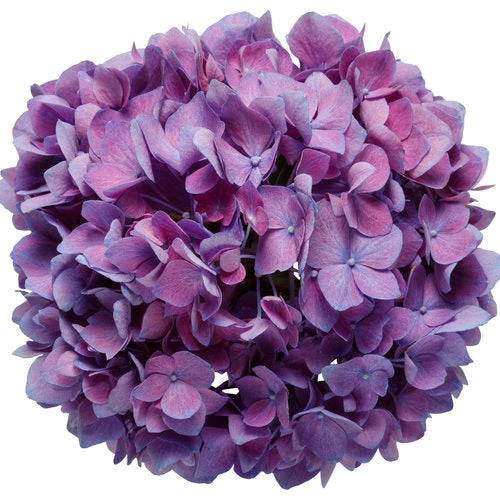
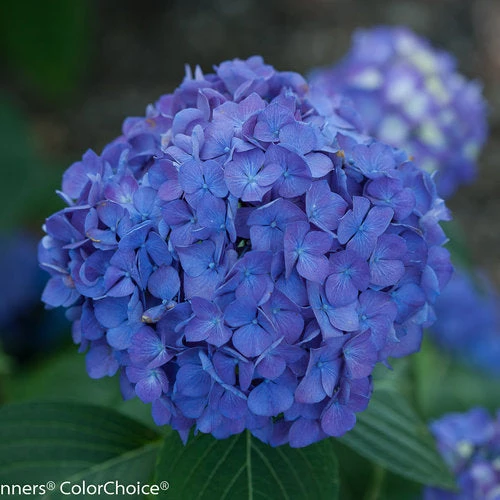
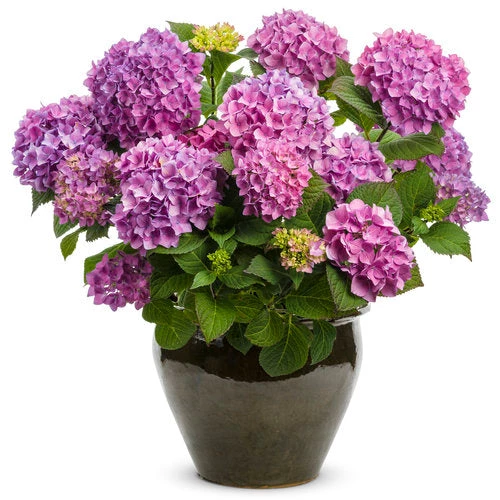
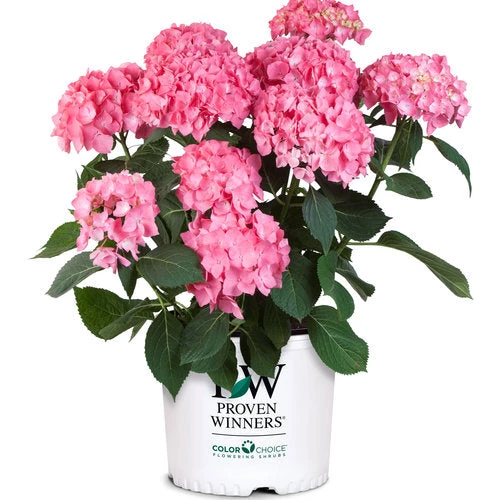
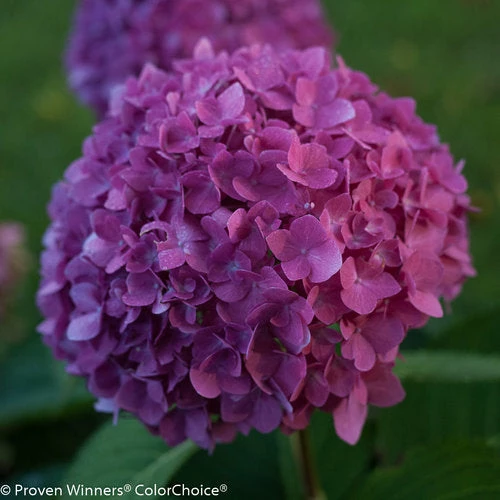
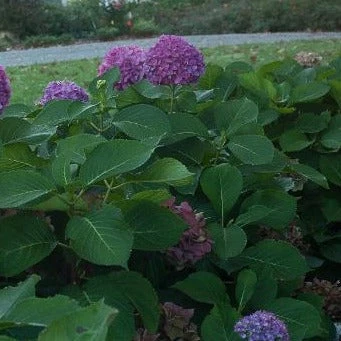
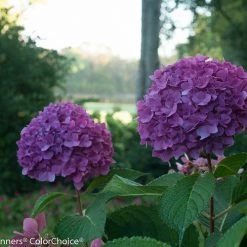
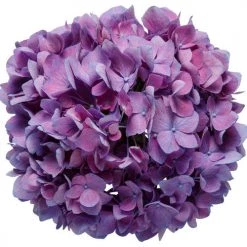
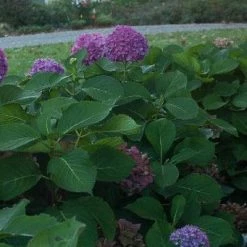
Let’s Dance Rave hydrangea blooms on old wood in early summer, then as it continues to grow, it keeps making new flower buds for more blooms in the following weeks. The big, bold blooms may be a deep saturated pink in neutral to basic/alkaline soil and an intriguing violet in acidic conditions. Glossy, dark green foliage resists disease for a picture-worthy performance, year after year.
Additional Information:
| Plant Type: | Shrub |
| Shrub Type: | Deciduous |
| Exposure: | Part to Full Sun |
| Deer Resistant: | No |
| Mature Height: | 24-36 Inches |
| Mature Width: | 24-36 Inches |
| Hardiness Zone: | Zone 5-9 |
| Bloom Time: | Summer |
| Bloom On: | New Wood, Old Wood |
| Flower Colors: | Blue, Pink, Purple |
| Habit: | Compact, Mounding |
| Water Needs: | Average. In full sun may need additional water in the Summer |
| Maintenance: | Easy |
| Pruning Time: | Seldom needs pruning |
| Additional attribute: | |
| Cut Flower | |
| Dried Flower | |
| Salt Tolerant | |
| Rebloomer | |
| Landscape Uses: | |
| Border, Coastal Exposure, Container, Cutting Garden, Firescaping/Fire Wise, Hedge, Mass Planting, Specimen, Urban Garden, Woodland Garden |
Soil and exposure: Big-leaf hydrangeas should be planted in moist but well-drained soil – they cannot tolerate wet conditions. It’s a good idea to have a 2-3″ layer of mulch in all climates. Plant with at least some sun each day; the hotter your climate, the more shade the plant can withstand.
Pruning: big-leaf hydrangeas cannot be pruned at any point in the year without negatively impacting the flowering. As such, it’s best to avoid pruning this type of hydrangea altogether. If portions of the plant were damaged from winter weather, they can be removed in spring when it is clear where the new growth is emerging.
Fertilizing: The key to getting reblooming hydrangeas to produce new-wood flower buds is to keep them growing vigorously all summer. Hence, fertilizer can be beneficial. Apply a granular rose fertilizer in early spring, when the ground has thawed, and again in late spring. Never fertilize after late July; that can interfere with the plant going dormant.
Color: The “default” color for big-leaf hydrangeas tends to the pink/red tones, and that is the color they will display in neutral (pH 7.0) or higher soil. The soil must be acidic (at least 6.5 or so) for the blue color to develop, and aluminum, a naturally occurring soil mineral, must be present. If you are not satisfied with the flower color in your yard, get a soil test so that you know exactly what must be changed. We do not recommend applying any kind of treatment “just in case” – that’s a waste of time and money, and could potentially lead to pollution or create inhospitable conditions in the soil.
| Size | 3 Gallon, 5 Gallon |
|---|
Be the first to review “Bay Gardens NY Hydrangea Macrophylla ‘Let’s Dance® Rave®’ Flowering Shrubs”
Related products


Deer Resistant Plants
Deer Resistant Plants
Deer Resistant Plants
Deer Resistant Plants
Deer Resistant Plants
Evergreen Shrubs
Deer Resistant Plants
Deer Resistant Plants
Reviews
There are no reviews yet.